Articles/Case Studies
The Missing Link in Motor Reliability: Why a VFD Isn’t Enough
Many facilities assume that if a VFD is installed, upstream electrical risk has already been addressed. In practice, that is often not the case.
Variable Frequency Drives are designed primarily to control motor speed, provide soft start/stop, reduce inrush current, and offer overload and short-circuit protection. While these are valuable motor-control and drive-protection functions, they are not the same as upstream disturbance monitoring. A VFD manages how power is applied to the motor, but it is not designed to serve as the primary enforcement layer for supply-side phase integrity and voltage stability.
The Hidden Vulnerabilities of Standard Drives
In reality, many drives do not provide comprehensive monitoring of supply voltage stability, true phase sequence enforcement, or adjustable phase imbalance detection. Crucially, they often lack an upstream phase loss lockout that triggers before the system is even energized.
The biggest risk lies in how these drives detect faults. Some drives only identify issues after the DC bus ripple exceeds a specific tolerance. This means that by the time the drive finally trips to protect itself, semiconductor stress and electrical wear on the motor have already begun. You aren't preventing the problem; you're just reacting to it after the damage has started.
High-Stakes Protection for High-Value Assets
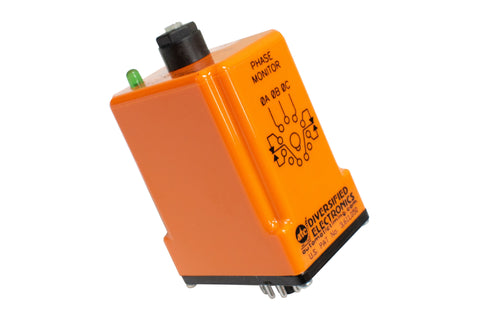
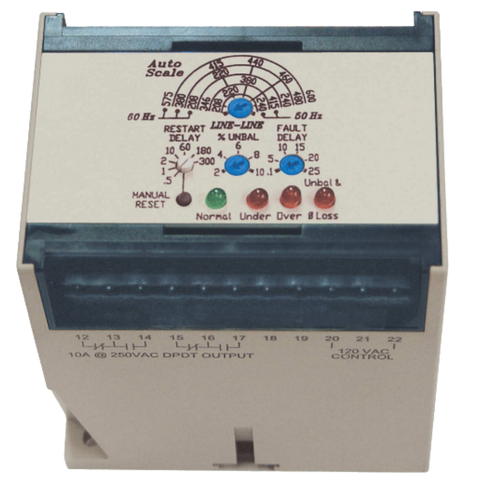
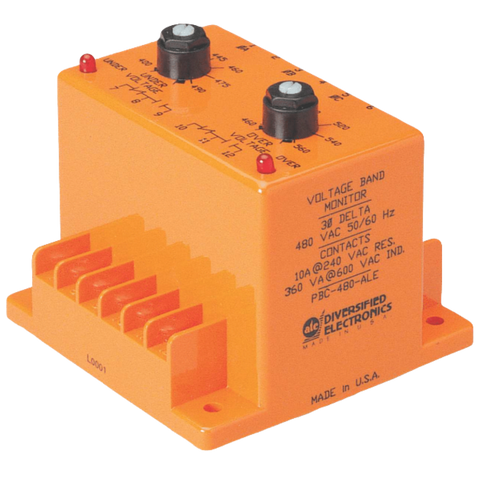
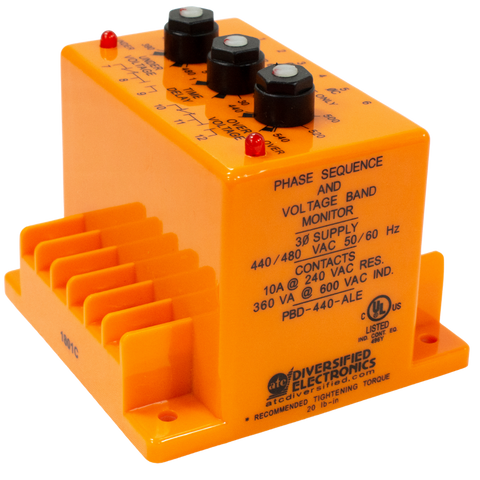
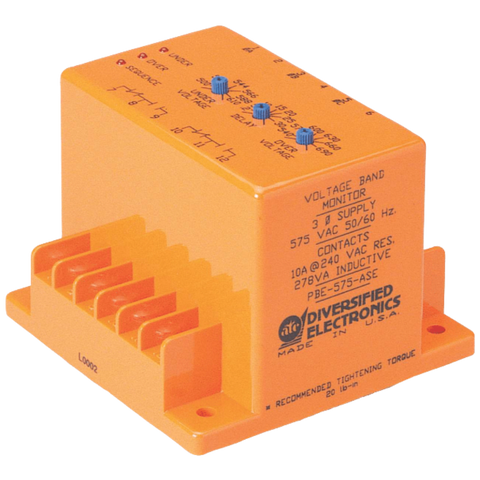
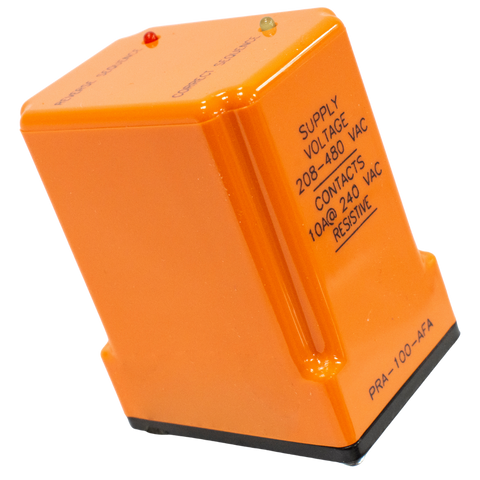
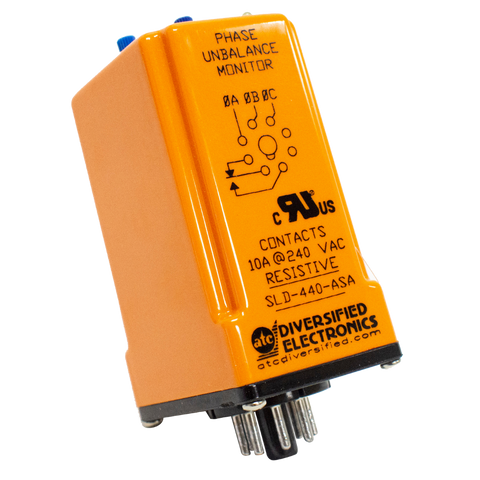
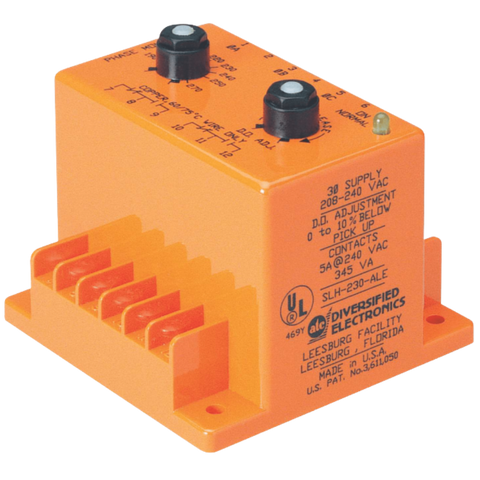
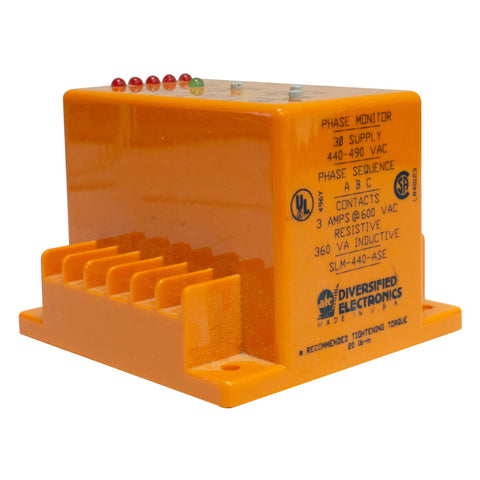
When you consider that a high-horsepower motor and its VFD can represent an investment of $20,000 or more, relying on internal, reactive trips is a massive gamble. Adding a phase monitor upstream creates a preventative shield, screening supply voltage instability before it ever reaches your sensitive electronics.
This is particularly vital in environments like wastewater pump stations or critical manufacturing lines where the cost of a single hour of downtime is extreme. In many of these applications, especially with submersible pumps where physical vibration monitoring is impossible, ,electrical monitoring at the control panel is the only way to safeguard the motor from failure.
Psst... Stop Reacting to Faults and Start Preventing Them.
Download our latest White Paper to see the technical breakdown of how layered protection extends the life of your motor systems.
Securing Your System Uptime
VFDs are commonplace for modern control, but they aren't a total safety net. Phase monitoring acts as a complementary layer that addresses documented reliability gaps. By verifying voltage stability at the source, you ensure that your facility avoids "silent killers" like voltage sags and phase imbalance, keeping your most expensive equipment running longer and more reliably.
Common Questions About VFD Reliability and Upstream Phase Monitoring
Why is a VFD not enough to fully protect a motor system?
A VFD is designed primarily to control motor speed, provide soft start and stop functionality, reduce inrush current, and offer drive-level protection. However, it may not provide complete upstream monitoring for phase loss, phase reversal, voltage imbalance, undervoltage, or supply-side instability before the drive is energized.
What is upstream phase monitoring?
Upstream phase monitoring means checking incoming three-phase power before it reaches the VFD and motor. A phase monitor acts as a preventative layer by verifying phase sequence, phase loss, voltage stability, and imbalance conditions before damaging power conditions are allowed downstream.
How does upstream phase monitoring improve VFD reliability?
Upstream phase monitoring improves VFD reliability by identifying unsafe supply-side conditions before they stress the drive’s sensitive electronics. By detecting issues such as phase loss, voltage imbalance, undervoltage, or phase reversal earlier, a phase monitor can help reduce unnecessary drive stress and support longer system life.
Can a VFD detect phase loss or voltage problems on its own?
Some VFDs can detect certain fault conditions, but detection may occur after the drive has already been exposed to electrical stress. In many systems, the VFD reacts after internal thresholds are reached. Upstream phase monitoring helps prevent the system from energizing under unsafe supply conditions in the first place.
Why is phase loss dangerous for VFD-driven motors?
Phase loss can create unstable input conditions, increased current stress, DC bus ripple, overheating, nuisance trips, and accelerated wear on drive components. If the issue is not detected early, both the VFD and motor may experience unnecessary electrical stress before the system shuts down.
What supply-side problems can a phase monitor detect?
Depending on the device, a phase monitor can detect phase loss, phase reversal, undervoltage, overvoltage, voltage imbalance, phase sequence errors, and phase-by-phase voltage instability. These conditions can affect VFD reliability, motor performance, and overall system uptime.
Where should a phase monitor be installed in a VFD system?
A phase monitor is typically installed upstream of the VFD so it can evaluate incoming power before it reaches the drive. This allows the monitor to act as a screening layer for supply-side problems before those conditions reach the VFD, motor, or connected equipment.
What is layered motor protection?
Layered motor protection uses multiple protection points to address different risks in the power and control system. In a VFD application, the VFD manages motor speed and drive-level protection, while an upstream phase monitor helps screen incoming power quality and phase conditions before the drive is exposed to them.