


PRODUCTS
Interval Timers
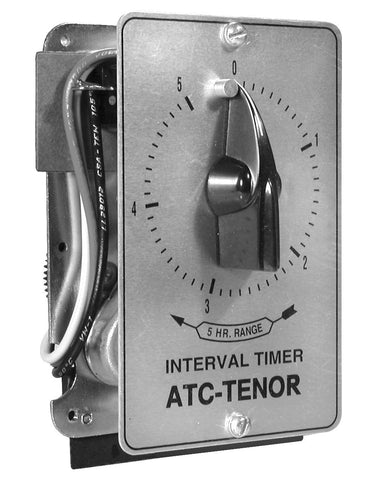
Interval Timers for Precise Timed Equipment Control
ATC Diversified Electronics offers the 400 Series Interval Timer for applications requiring an electrical circuit or load to remain energized for a manually selected period of time. Designed for straightforward industrial timing control, the timer begins its interval when the setting knob is turned from zero and automatically de-energizes the controlled load when the selected time expires.
The 400 Series combines a clearly calibrated dial with positive mechanical setting action and front-panel mounting. Available standard timing ranges include 30 minutes, 60 minutes, and 5 hours, with setting accuracy within 0.5% of full scale. The timer provides an SPDT output rated for 15 A at 240 VAC resistive and is available for 120 VAC or 240 VAC, 60 Hz operation.
A dedicated terminal can also be used for an end-of-cycle light or audible signal. An optional toggle switch allows the timer to be preset before the load is energized and can provide separate start and end-of-cycle signal control.
Why Choose the ATC 400 Series Interval Timer?
Simple Interval Timing: Set the desired operating period from the front dial. When timing begins, the controlled load is energized and remains on until the selected interval has elapsed.
Accurate Manual Setting: The 400 Series is specified for setting accuracy within 0.5% of full scale, providing repeatable timing for industrial equipment and process applications.
Industrial Relay Output: An SPDT output rated for 15 A at 240 VAC resistive allows the timer to control a wide range of compatible electrical loads.
End-of-Cycle Indication: A separate terminal connection is available for an end-of-cycle light, audible alarm, or other compatible signaling device.
Front-Panel Mounting: The timer is designed for front-panel installation, providing operators with direct access to the timing dial while keeping electrical connections at the rear of the panel.
Positive Setting Action: The timer's manually operated knob is directly connected to the switch-operating cam, providing positive setting action without relying on a clutch mechanism.
Industrial Interval Timer Applications
The ATC 400 Series can be used wherever equipment or a process must operate for a defined period before automatically switching off. Applications include processing machinery, plastics molding equipment, laundry and dry-cleaning equipment, electric ovens, furnaces, photographic equipment, and other electrically operated industrial systems requiring adjustable interval timing.
Find the Right Interval Timer Configuration
Selecting an industrial interval timer requires consideration of the desired timing range, supply voltage, output load, contact rating, mounting method, operating temperature, and whether an end-of-cycle signal or separate start control is required.
Explore the ATC 400 Series Interval Timer above to review available timing ranges and specifications. ATC Diversified Electronics can also assist with selecting the appropriate configuration for industrial machinery, process equipment, and OEM timing applications.
Interval Timer FAQs
What is an interval timer?
An interval timer energizes a controlled output for a selected period of time and then switches the output off when that interval expires. It is useful when equipment or a process needs to operate for a defined amount of time before automatically stopping.
How does the ATC 400 Series Interval Timer work?
The operator turns the timer knob from zero to the desired interval. Turning the knob initiates the timing cycle and energizes the controlled load. When the selected time has elapsed, the load is de-energized and the timer returns to zero.
What timing ranges are available for the ATC 400 Series?
Current 400 Series specifications list standard timing ranges of 30 minutes, 60 minutes, and 5 hours. The appropriate range should be selected according to the required operating interval of the equipment.
How accurate is the ATC 400 Series Interval Timer?
The 400 Series is specified for setting accuracy within 0.5% of full scale. Actual application performance should be evaluated using the specifications for the selected timer configuration.
What output does the 400 Series Interval Timer provide?
The 400 Series provides an SPDT relay output rated for 15 A at 240 VAC resistive. The connected electrical load should remain within the ratings specified for the selected timer.
What supply voltages are available for the ATC 400 Series?
The 400 Series is available with 120 VAC and 240 VAC, 60 Hz motor-voltage configurations. The correct voltage configuration should be selected for the electrical system in which the timer will be installed.
Can the 400 Series provide an end-of-cycle signal?
Yes. The timer includes a terminal connection that can be used with an end-of-cycle light, audible signal, or other compatible signaling load. This provides an indication when the selected timing period has ended.
What does the optional toggle switch do on the 400 Series?
An optional toggle switch allows the desired interval to be preset before the controlled load is energized. It can then be used to initiate the timing cycle and to silence the end-of-cycle signal when the cycle is complete.
How is the ATC 400 Series Interval Timer mounted?
The 400 Series is designed for front-panel mounting and uses a rear screw-terminal block for electrical connections. This arrangement keeps the timing dial accessible to the operator from the front of the panel.
What applications use interval timers?
Interval timers can be used with processing machinery, plastics molding equipment, laundry and dry-cleaning machinery, electric ovens, furnaces, photographic equipment, and other electrically operated systems that must run for a defined period and then automatically switch off.
What is the difference between an interval timer and an ON-delay timer?
An interval timer typically energizes its output immediately and keeps it energized for the selected interval before switching it off. An ON-delay timer waits for the selected delay period before changing the state of its output. The correct timing mode depends on the required control sequence.
How do I choose an interval timer?
Consider the required timing range, supply voltage, output contact rating, type of connected load, mounting method, operating temperature, and whether the application requires an end-of-cycle signal or separate start control.