


PRODUCTS
Isolated Switch
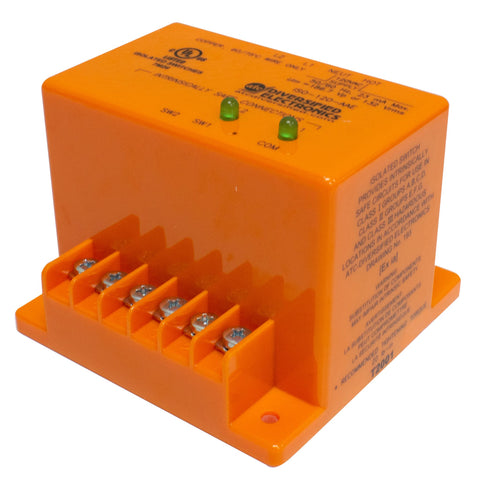
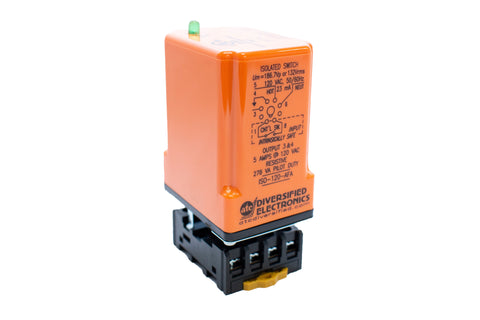
Intrinsically Safe Isolated Switches for Hazardous Location Control
ATC Diversified Electronics offers isolated switches for intrinsically safe control circuits where switches or sensors located in a hazardous area must control equipment without making ignition-capable electrical energy available at the field device. The collection includes single-channel ISO Series devices and multiple-channel ISO/ISL Series configurations.
These devices serve as intrinsically safe associated apparatus between hazardous-area control-switch inputs and isolated outputs used by the control system. When a field switch changes state, the corresponding isolated output responds according to the selected ISO or ISL operating logic.
ATC isolated switches are suited for industrial process control, water and wastewater systems, pump stations, tank and level control, chemical processing, and other installations where control switches may be located in an area containing potentially flammable or combustible atmospheres.
Why Use an Intrinsically Safe Isolated Switch?
Interface with Hazardous-Location Switches: ATC isolated switches provide a controlled interface between a field-mounted switch in a hazardous location and the equipment or control circuit located on the non-hazardous side of the system.
Limit Available Ignition Energy: Intrinsic-safety design limits the electrical and thermal energy available within the hazardous-area portion of the circuit so the field wiring and connected device can be used as part of a properly designed intrinsically safe system.
Single- and Multiple-Channel Options: The ISO Series provides single-channel switching, while ISO/ISL Series products provide multiple independently controlled channels for applications with several field switches or control points.
Non-Latching or Latching Operation: Multiple-channel ISO models provide non-latching operation, while ISL models add latching behavior for selected channels where the output must remain active after the initiating switch changes state.
Normally Open and Normally Closed Inputs: Multiple-channel configurations can accommodate normally open or normally closed control-switch arrangements when wired according to the product instructions.
Plug-In and Surface-Mount Options: Selected ISO Series configurations are available in plug-in or surface-mounted formats to accommodate different control-panel and equipment designs.
Single-Channel ISO Series Isolated Switch
The ISO Series Single Channel Isolated Switch provides one intrinsically safe control input and one corresponding isolated output. When the hazardous-location control switch closes, the isolated output turns on. When the control switch opens, the output turns off.
ATC offers the single-channel device in multiple enclosure styles. The Style N version is surface mounted, epoxy sealed, and uses five screw terminals. ATC also offers a Style A plug-in configuration with integral spring mating clips and a PF083A socket.
Multiple-Channel ISO and ISL Series Isolated Switches
The ISO/ISL Series Multiple Channel Isolated Switches allow multiple hazardous-location control switches to operate corresponding isolated outputs from a single device.
With the non-latching ISO Series, activating a control-switch input turns on its corresponding output, and deactivating the input turns the output off.
The ISL Series adds latching operation for selected channels. Once one of those channels is activated, its output can remain latched after the initiating switch deactivates as long as the designated control condition on input 1 remains active. This provides additional sequencing flexibility for compatible control applications.
Isolated Switches for Water and Wastewater Control Systems
Intrinsically safe isolated switches can be useful in water and wastewater pump stations, wet wells, lift stations, treatment facilities, tanks, and other process-control applications where float switches, level switches, or other dry-contact devices may be installed in a classified or potentially hazardous location.
The isolated switch allows the field contact to communicate a control state to equipment on the safe side of the system while maintaining the energy-limiting requirements of the properly designed intrinsically safe circuit.
Find the Right Isolated Switch
Selecting the right intrinsically safe isolated switch depends on the number of control inputs, required output behavior, normally open or normally closed field-switch arrangement, need for latching operation, enclosure or mounting style, supply requirements, hazardous-location classification, and the entity parameters of all devices and wiring within the intrinsically safe circuit.
Explore the ATC ISO and ISO/ISL Series above to compare single-channel, multiple-channel, non-latching, and latching configurations. Intrinsically safe installations should always follow the applicable ATC control drawings, product documentation, electrical codes, and hazardous-location requirements.
Isolated Switch FAQs
What is an intrinsically safe isolated switch?
An intrinsically safe isolated switch provides an interface between a control switch located in a hazardous area and an output used by equipment on the safe side of the control system. The hazardous-area portion of the circuit is designed so available electrical and thermal energy remains within the limits required for the applicable intrinsically safe system.
What does the ATC ISO Series Isolated Switch do?
The ISO Series responds to a hazardous-location control-switch input and operates a corresponding isolated output. On the single-channel model, closing the field switch turns the output on, and opening the field switch turns the output off.
What is the difference between the ISO and ISL Series?
The multiple-channel ISO Series provides non-latching operation, meaning each output follows the state of its corresponding control input. The ISL Series provides latching operation on selected channels so an output can remain active after the initiating input changes state when the required control condition is maintained.
Does ATC offer single-channel isolated switches?
Yes. The ISO Series Single Channel Isolated Switch provides one hazardous-location control input and one corresponding isolated output.
Does ATC offer multiple-channel isolated switches?
Yes. The ISO/ISL Series provides multiple control inputs and corresponding isolated outputs for applications where several field switches must be interfaced with the control system.
What is a latching isolated switch?
A latching isolated switch allows an output to remain energized after the initiating field input returns to its normal state. The ATC ISL Series provides latching operation on selected multiple-channel outputs when the required input conditions are maintained.
Can ATC isolated switches work with normally open and normally closed switches?
Selected multiple-channel ISO/ISL configurations support normally open and normally closed control-switch arrangements. Normally closed inputs require the jumper arrangement specified by ATC, while normally open inputs do not require that optional jumper.
What does intrinsically safe mean?
Intrinsically safe refers to a protection method in which the electrical and thermal energy available in the hazardous-location portion of a circuit is limited so it cannot provide sufficient energy to ignite the specified hazardous atmosphere under the conditions covered by the system approval.
Is an isolated switch the same as an electrical disconnect switch?
No. ATC ISO and ISO/ISL isolated switches are control-interface devices for intrinsically safe circuits. They are not intended to function as power disconnect switches or lockout/tagout disconnecting means.
What is intrinsically safe associated apparatus?
Associated apparatus interfaces with intrinsically safe field circuits while being installed on the non-hazardous or otherwise permitted side of the system. It limits the energy that can be transferred into the hazardous-location circuit according to its approved electrical parameters and installation requirements.
Is the ATC ISO Series UL 913 recognized for intrinsic safety?
ATC identifies the Style A single-channel plug-in ISO Series device as UL 913 intrinsically safe associated apparatus. The applicable product markings, control drawings, and installation documentation should be reviewed for the exact model and hazardous-location application.
Where are intrinsically safe isolated switches used?
Applications can include water and wastewater systems, lift stations, wet wells, tanks, process equipment, chemical processing, pumping systems, and other industrial installations where switches or sensors are located in a classified or potentially hazardous area.
Can an isolated switch be used with a float or level switch?
Yes, when the field device, isolated switch, wiring, entity parameters, and installation are compatible with the approved intrinsically safe system. Dry-contact level and float switches are common examples of field control devices used in these types of applications.
Does using an intrinsically safe isolated switch automatically make the entire system intrinsically safe?
No. Intrinsic safety applies to the complete circuit and installation. The isolated switch, field device, wiring, entity parameters, hazardous area classification, grounding, and installation method must all comply with the applicable control drawings, product documentation, codes, and system requirements.
How do I choose the right ATC isolated switch?
Determine the number of field inputs, whether non-latching or latching operation is required, the normally open or normally closed input arrangement, mounting style, electrical requirements, hazardous-location classification, and the entity parameters of the complete intrinsically safe circuit.