


PRODUCTS
Time Delay Relays
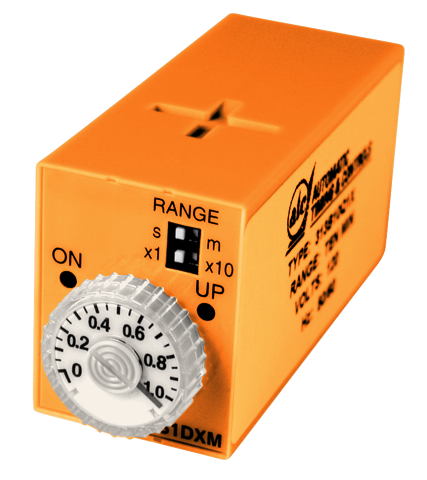
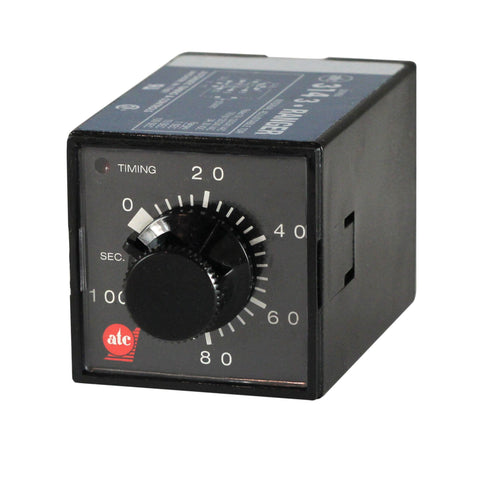
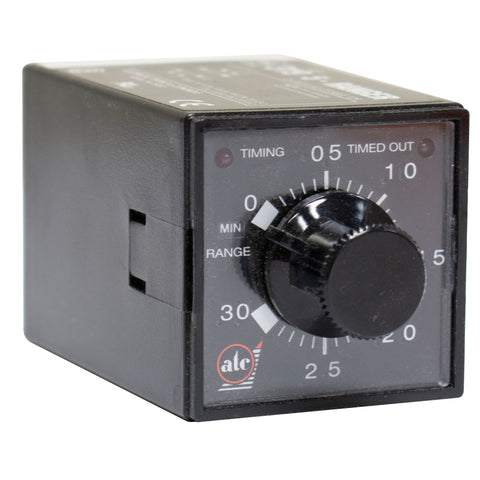
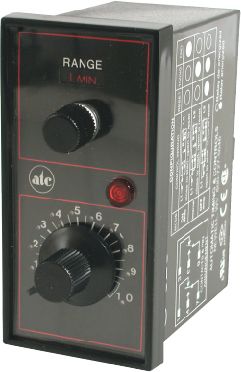
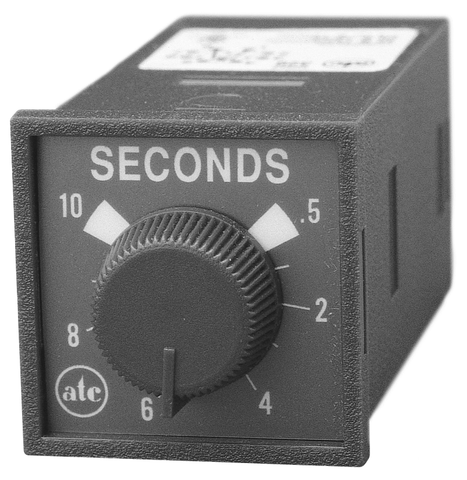
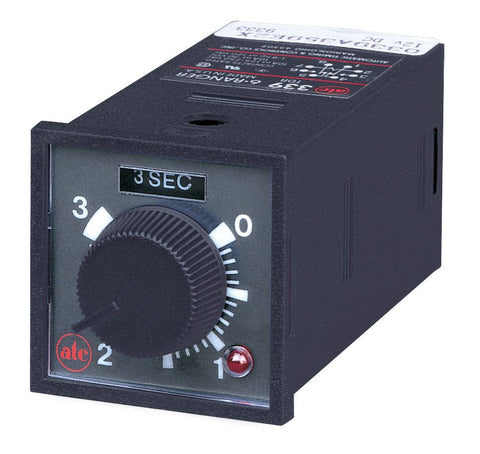
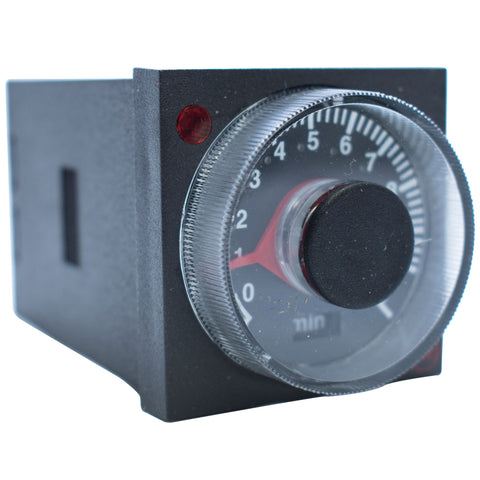
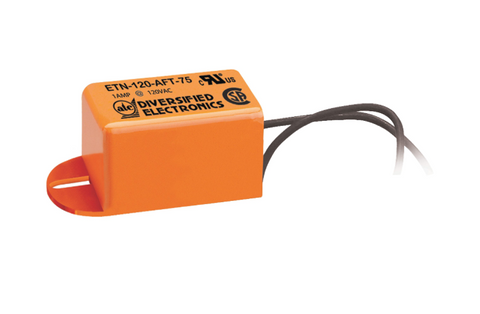
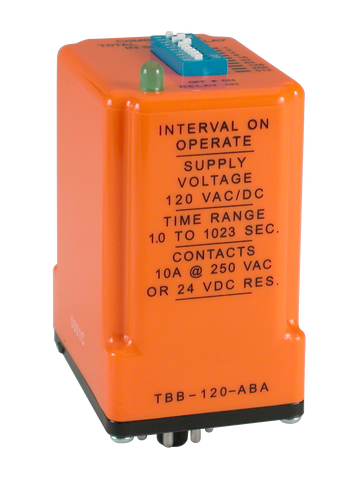
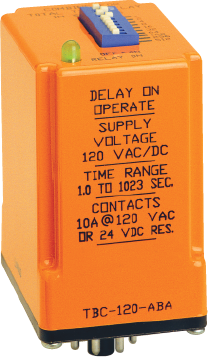
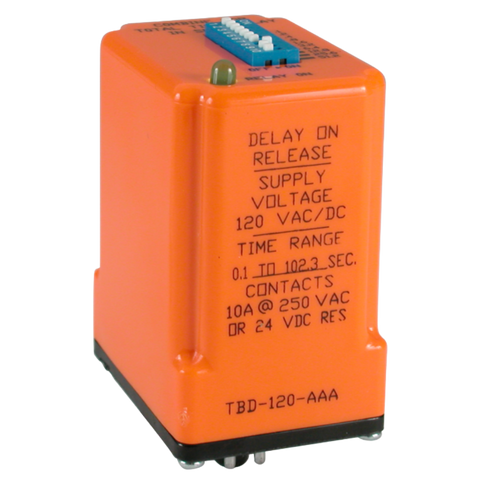
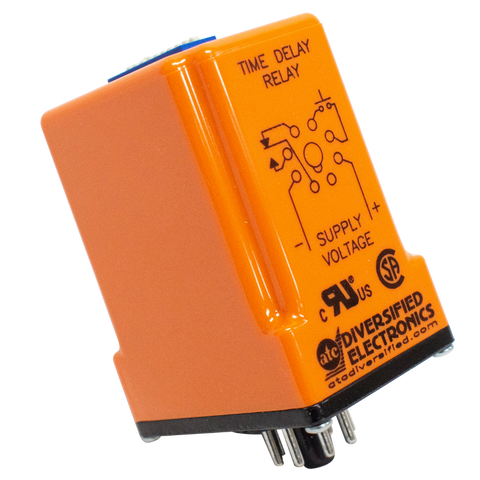
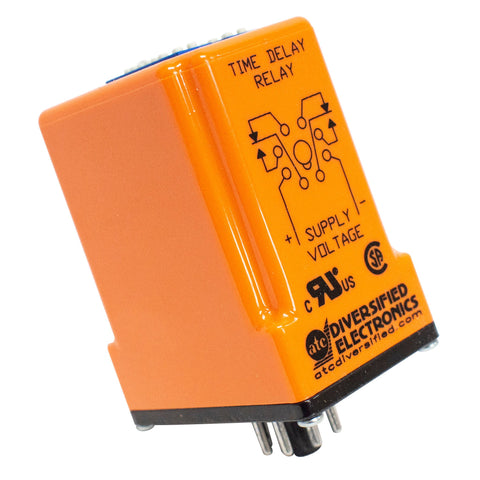
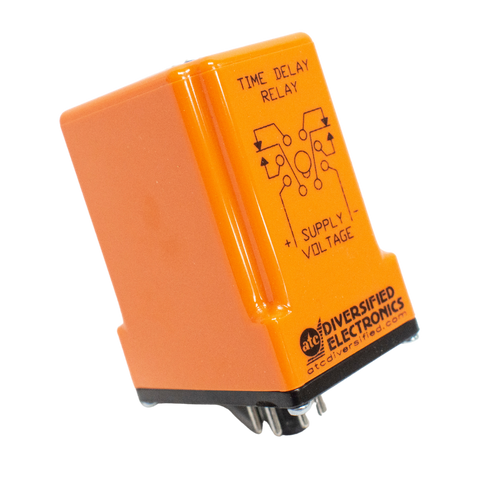
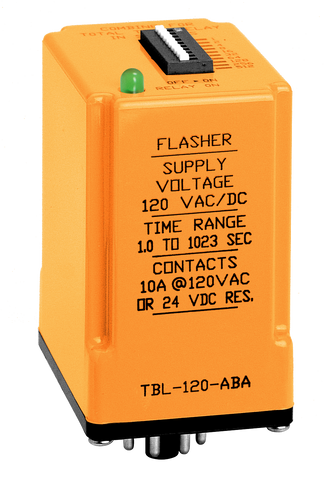
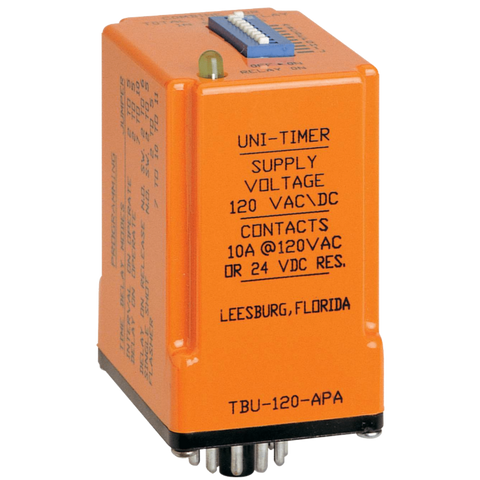
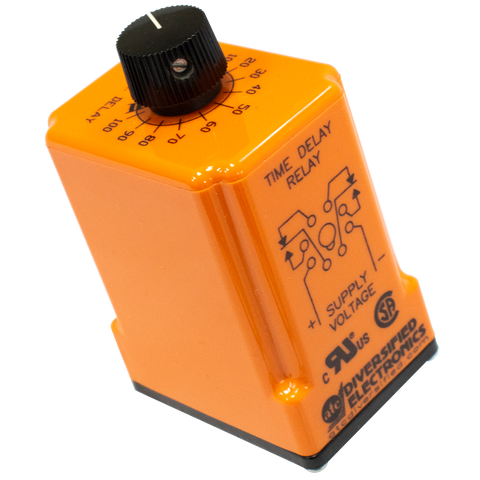
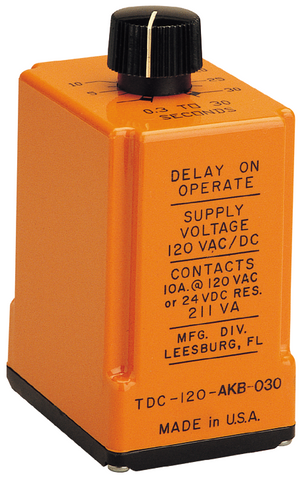
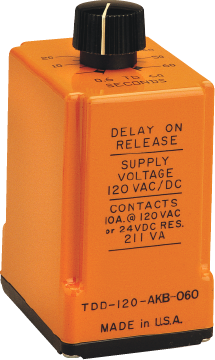
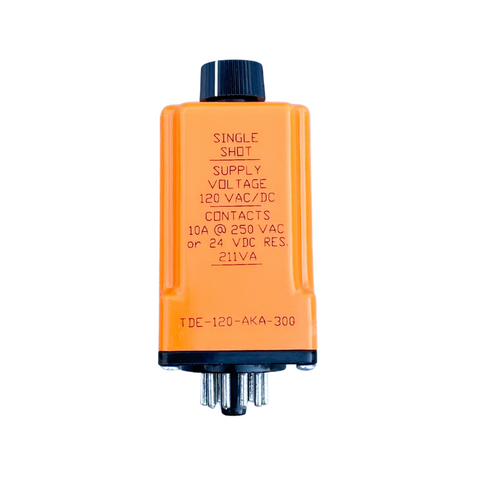
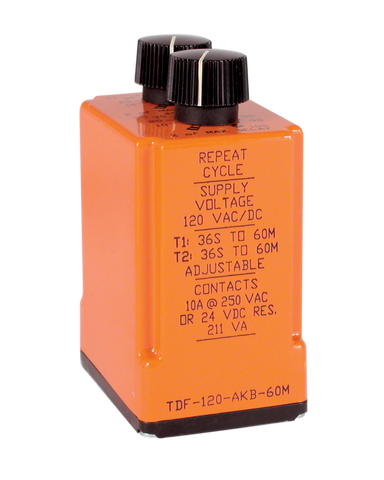
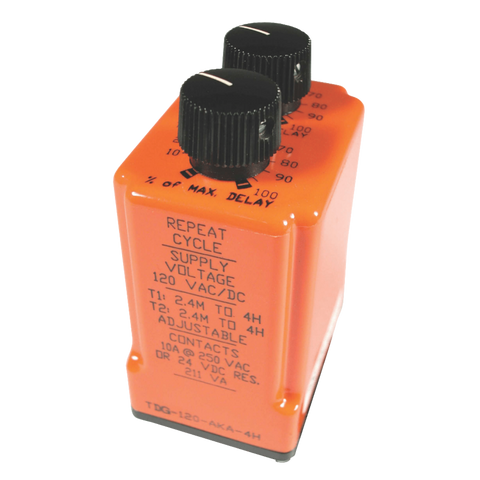
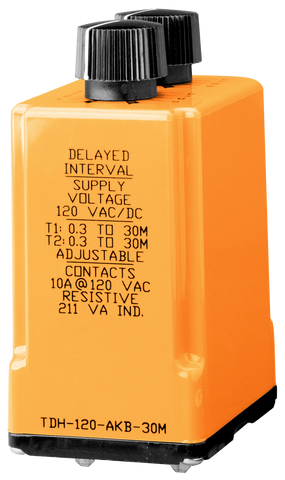
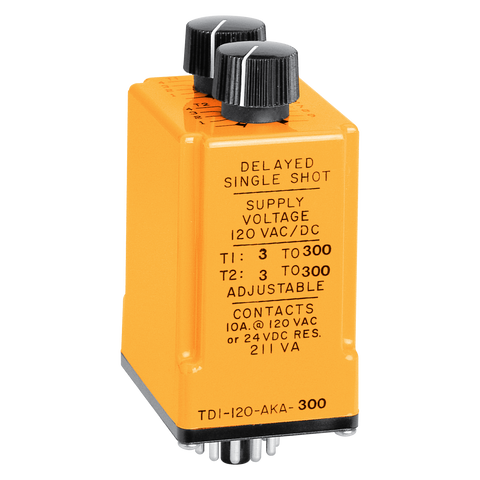
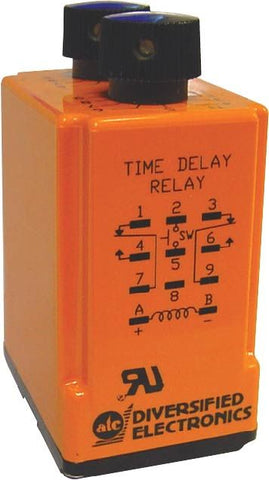
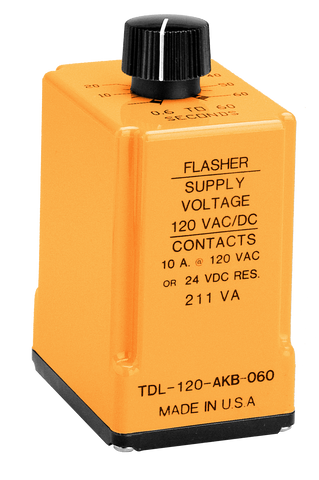
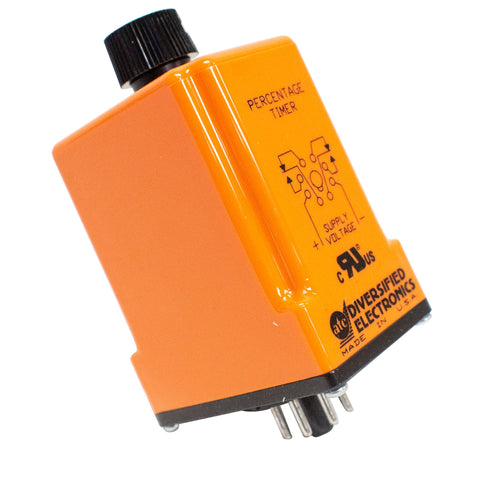

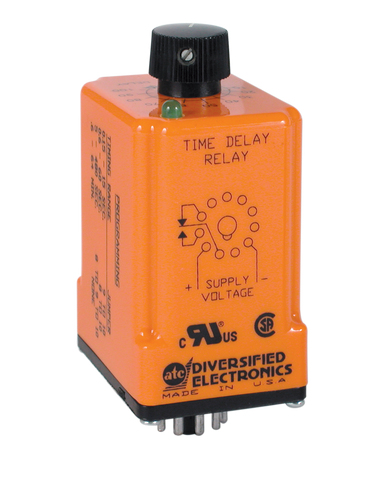
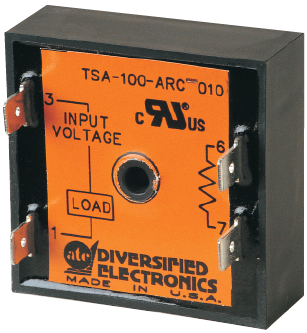
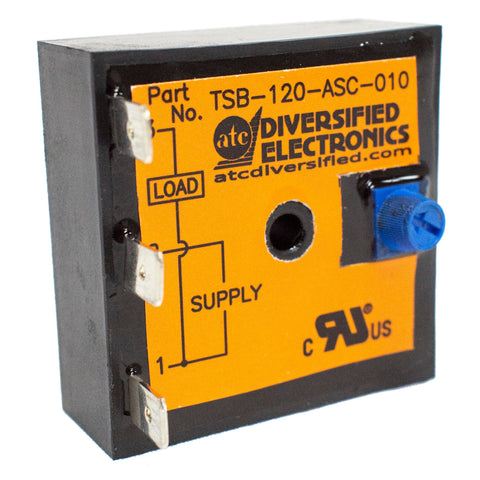
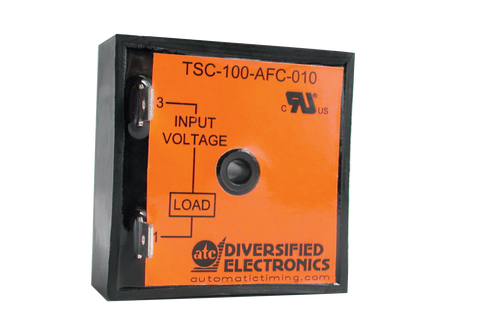
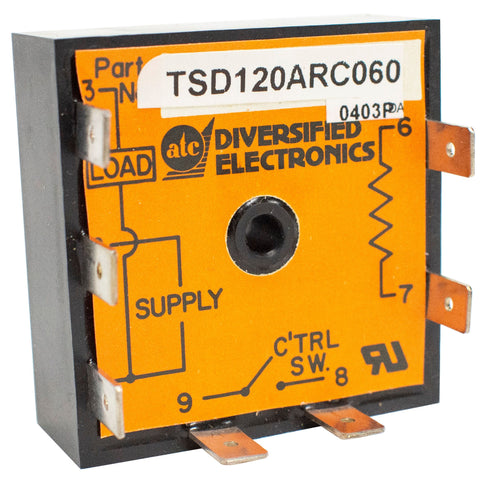
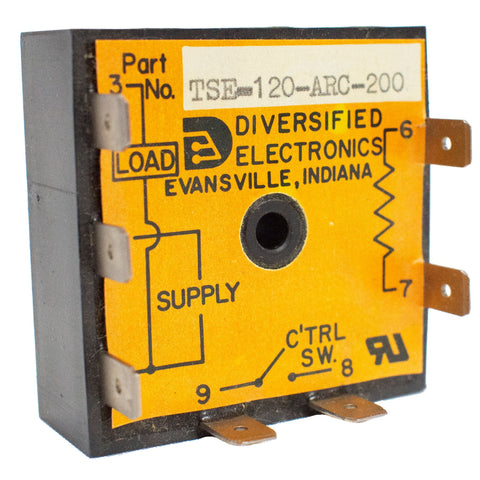
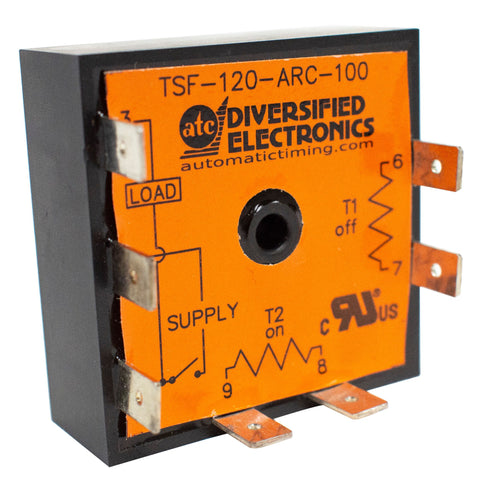
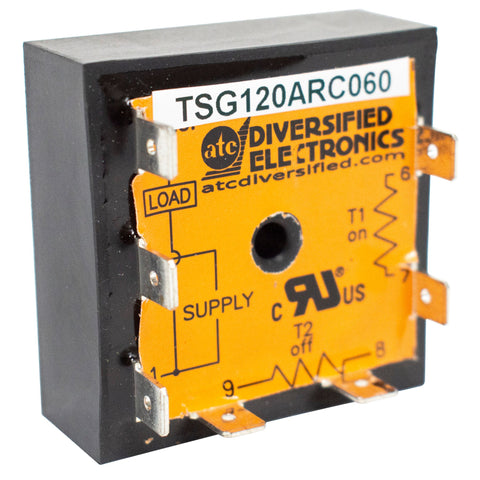
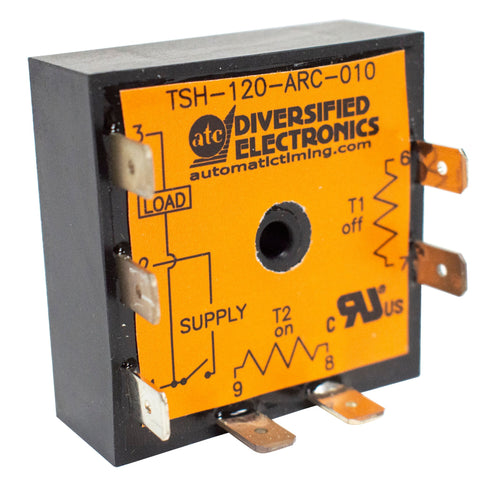
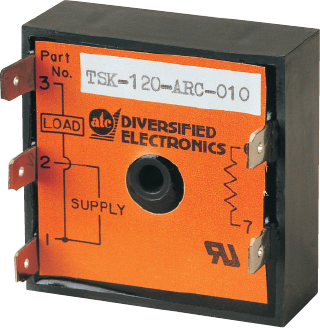
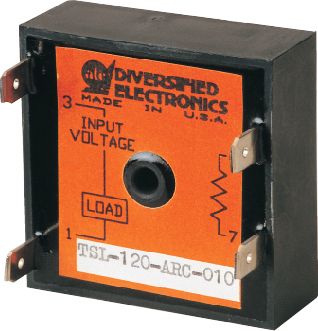
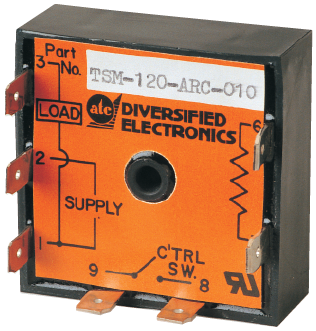
Time Delay Relays for Industrial Timing and Control
ATC Diversified Electronics offers a broad range of time delay relays (TDRs) for industrial automation, equipment sequencing, motor and pump control, switchgear, process equipment, and other applications requiring controlled electrical timing.
Available timing functions include ON-delay, OFF-delay, true OFF-delay, interval, single-shot, delayed interval, repeat-cycle, flasher, percentage timing, and programmable multi-mode operation. The collection includes plug-in timers, DIP-switch adjustable relays, relay-output designs, solid-state-output timers, and multifunction models for both dedicated and flexible timing applications.
Depending on the model, ATC time delay relays provide adjustable timing ranges from fractions of a second through hours, AC or DC operation, multiple contact configurations, cycle-progress indication, solid-state timing circuitry, and externally selectable timing modes or ranges.
Why Choose ATC Time Delay Relays?
Multiple Timing Functions: Select from dedicated ON-delay, OFF-delay, interval, single-shot, repeat-cycle, flasher, true OFF-delay, and other control functions, or choose a multifunction relay when several timing modes are required.
Wide Timing Ranges: ATC offers time delay relays for short millisecond-level delays as well as longer timing periods extending through minutes and hours, depending on the selected product family.
Relay and Solid-State Outputs: The collection includes conventional relay-output timers as well as solid-state-output models for applications requiring different switching technologies.
Plug-In and Configurable Designs: Available products include octal plug-in relays, DIP-switch configurable timers, externally programmable multi-mode relays, and compact industrial timing modules.
AC and DC Options: Selected models support AC, DC, or universal AC/DC power inputs, allowing the timer to be matched to the electrical requirements of the control system.
Industrial Timing Applications: ATC time delay relays support equipment sequencing, conveyor control, pumps, motors, switchgear, process machinery, heaters, valves, and other applications requiring repeatable timed switching.
ON-Delay, OFF-Delay and Interval Time Delay Relays
An ON-delay time delay relay begins timing when its input voltage or control signal is applied. After the selected delay expires, the output changes state. ATC offers dedicated ON-delay products as well as multifunction models that include ON-delay as one of several selectable modes.
An OFF-delay relay keeps its output energized for a selected period after a control signal changes or is removed. ATC also offers true OFF-delay products, which begin timing when input power itself is removed.
An interval timer energizes its output for a selected period and then switches it off. Additional ATC timing modes include single-shot, delayed interval, repeat-cycle ON-first or OFF-first, flasher, and percentage timing.
Multifunction and Programmable Time Delay Relays
For applications that may require multiple timing functions, ATC offers programmable and multifunction TDRs that can replace several dedicated timer types. The 328E, for example, provides ON-delay, OFF-delay, and interval operation over timing periods from 50 milliseconds to 10 hours.
The TDU Series provides multiple timing modes and delay ranges in one relay. External jumper programming allows the operating mode and range to be configured without opening or disassembling the timer.
Find the Right Time Delay Relay
Selecting the right time delay relay depends on the required timing function, minimum and maximum delay, supply voltage, output type, contact rating, number of poles, mounting method, reset behavior, control input, and whether the application requires a dedicated or multifunction timer.
Explore the ATC time delay relays above to compare plug-in, DIP-switch, relay-output, solid-state-output, true OFF-delay, repeat-cycle, and multifunction configurations. ATC Diversified Electronics can also assist with selecting a TDR for OEM equipment, industrial automation, switchgear, motor control, and process applications.
Time Delay Relay FAQs
What is a time delay relay?
A time delay relay, or TDR, is an electrical control device that changes the state of its output according to a defined timing function. Depending on the relay, the output may switch after a delay, remain energized for a timed interval, cycle repeatedly, or respond to another programmed timing sequence.
What is an ON-delay time delay relay?
An ON-delay relay begins timing when input voltage or a control signal is applied. After the selected delay expires, the output relay or solid-state output changes state. ATC offers both dedicated ON-delay relays and multifunction timers with ON-delay capability.
What is an OFF-delay time delay relay?
An OFF-delay relay keeps its output energized for a selected period after the control signal changes or is removed. The exact operating sequence depends on the relay design, so the product timing diagram should be reviewed for the selected model.
What is a true OFF-delay relay?
A true OFF-delay relay begins timing when input power is removed. The output remains energized during the selected delay period and then de-energizes. The ATC TDT Series is designed specifically for true OFF-delay operation.
What is an interval time delay relay?
An interval relay typically energizes its output when the timing cycle begins and keeps it energized for the selected interval. When the timing period is complete, the output returns to its normal state.
What is a single-shot timer?
A single-shot timer produces one timed output cycle in response to a control signal. For example, the ATC TBE Series energizes when its external control switch initiates the timing cycle and de-energizes when the selected delay period is complete.
What is a repeat-cycle time delay relay?
A repeat-cycle relay continuously alternates between timed ON and OFF periods while power is applied. ATC offers both ON-time-first and OFF-time-first repeat-cycle configurations, along with models that allow the two time periods to be selected independently.
What is the difference between relay-output and solid-state-output timers?
Relay-output timers use electromechanical contacts to switch the connected circuit. Solid-state-output timers use electronic switching components instead of mechanical contacts. The appropriate type depends on load, switching frequency, voltage, current, and application requirements.
What is a multifunction time delay relay?
A multifunction time delay relay combines several timing modes in one device. This can reduce the number of different timer models required when machines or control panels use multiple timing functions.
What timing functions does the ATC 328E provide?
The 328E supports ON-delay, OFF-delay, and interval operation. It provides adjustable timing from 50 milliseconds to 10 hours and includes cycle-progress indication.
What is the ATC TDU programmable multi-mode relay?
The TDU Series is a programmable time delay relay that combines four delay ranges and six common timing modes. It can operate from AC or DC power, uses externally installed jumpers for programming, and includes a heavy-duty relay output.
Are plug-in time delay relays available?
Yes. ATC offers multiple plug-in TDR families, including the 313B, 314B, 319E, 328E, 329A, and 339B, as well as several socket-mounted T-series products.
Are AC/DC time delay relays available?
Yes. Selected ATC time delay relays support AC and DC operation or universal AC/DC input power. Supply-voltage capability varies by model, so the individual product specifications should be reviewed before selection.
What applications use time delay relays?
Time delay relays are used for equipment sequencing, conveyor systems, motors and pumps, switchgear, industrial processing, machine automation, timed valves, heaters, lighting, and other applications requiring a controlled delay or timed switching sequence.
How do I choose the right time delay relay?
Consider the required timing function, delay range, supply voltage, relay or solid-state output, contact rating, number of poles, mounting style, reset behavior, control signal, timing accuracy, and whether a fixed-function or multifunction timer is best suited to the application.